01
Hands on. Not hands off.
Playable stations are the heart of the plan. Pick up a controller, compare the eras, and introduce someone to your first favorite game.
A FREE, HANDS-ON MUSEUM. BUILT TO TRAVEL.
We’re building a free, hands-on video game museum that travels from convention to convention. From gaming’s earliest roots through the consoles of 2005—history you can hold, play, and share.
TVGM photo to be added
Free to host. Free to play. Funded together.
Our commitment: no exhibit rental fee and no additional charge to play.
WELCOME TO TRAVELING VIDEO GAME MUSEUM
Remember passing a controller to someone sitting beside you? The first game you figured out together? That feeling deserves a future.
Traveling Video Game Museum is a community-supported exhibit in development. We want to preserve classic video game systems by sharing their stories—and making room for people to actually play.
No permanent building. No paid exhibit packages. A living collection, carefully packed and passed from one convention to the next, with new memories at every stop.
Playable stations are the heart of the plan. Pick up a controller, compare the eras, and introduce someone to your first favorite game.
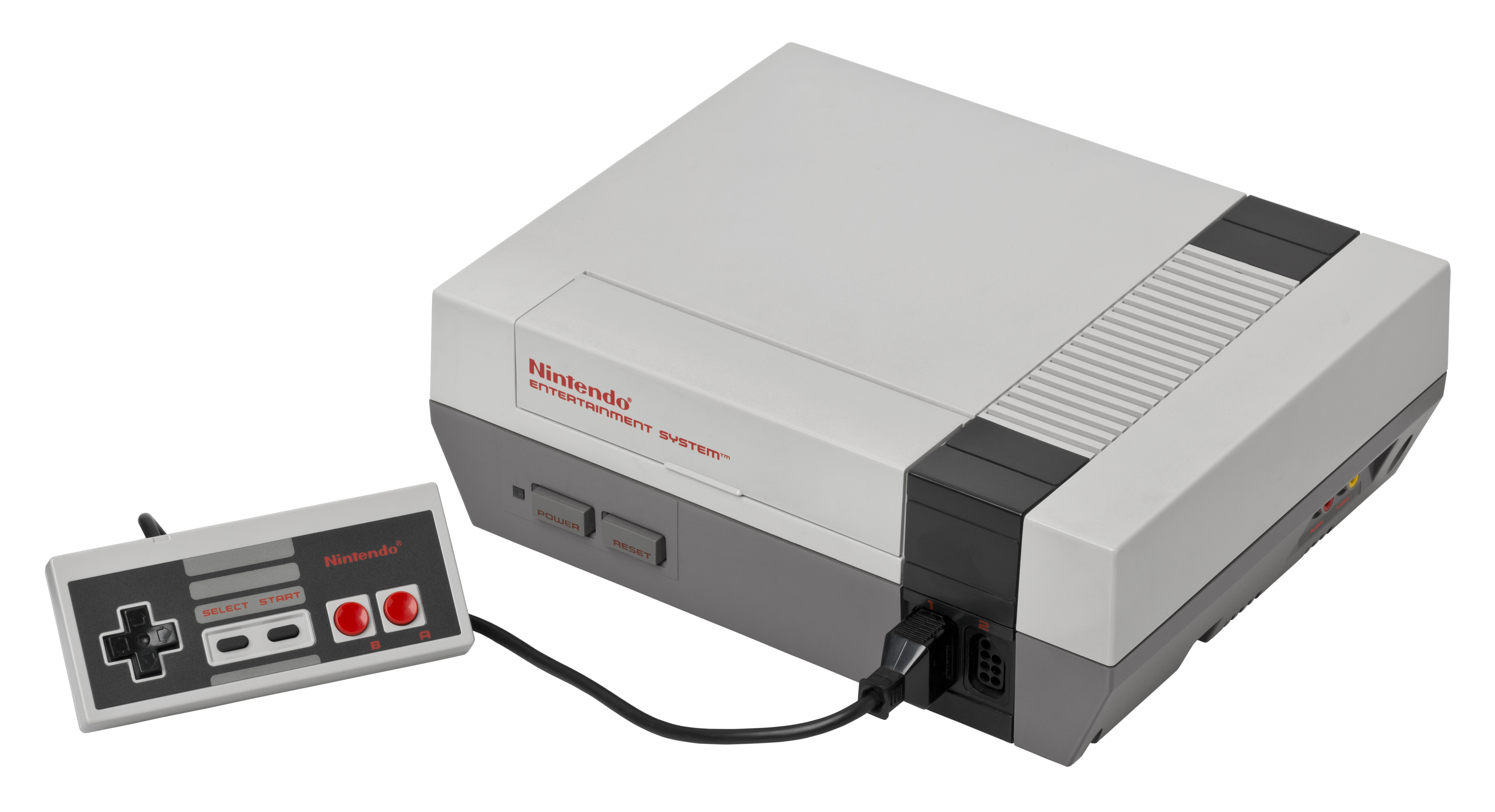 HARDWARE REFERENCE · NOT CONFIRMED TVGM INVENTORY
Donated systems, repair skills, protective cases, and shared resources can give gaming history a new life beyond a shelf.
Each host will help care for the exhibit, record its condition, and prepare it for the next community. The collection travels. The memories stay.
THE COLLECTION / EARLY ORIGINS THROUGH 2005
The plan spans gaming’s earliest roots through consoles introduced by December 31, 2005. Explore five chapters, including the original Xbox—not a claim that every system has already joined the collection.


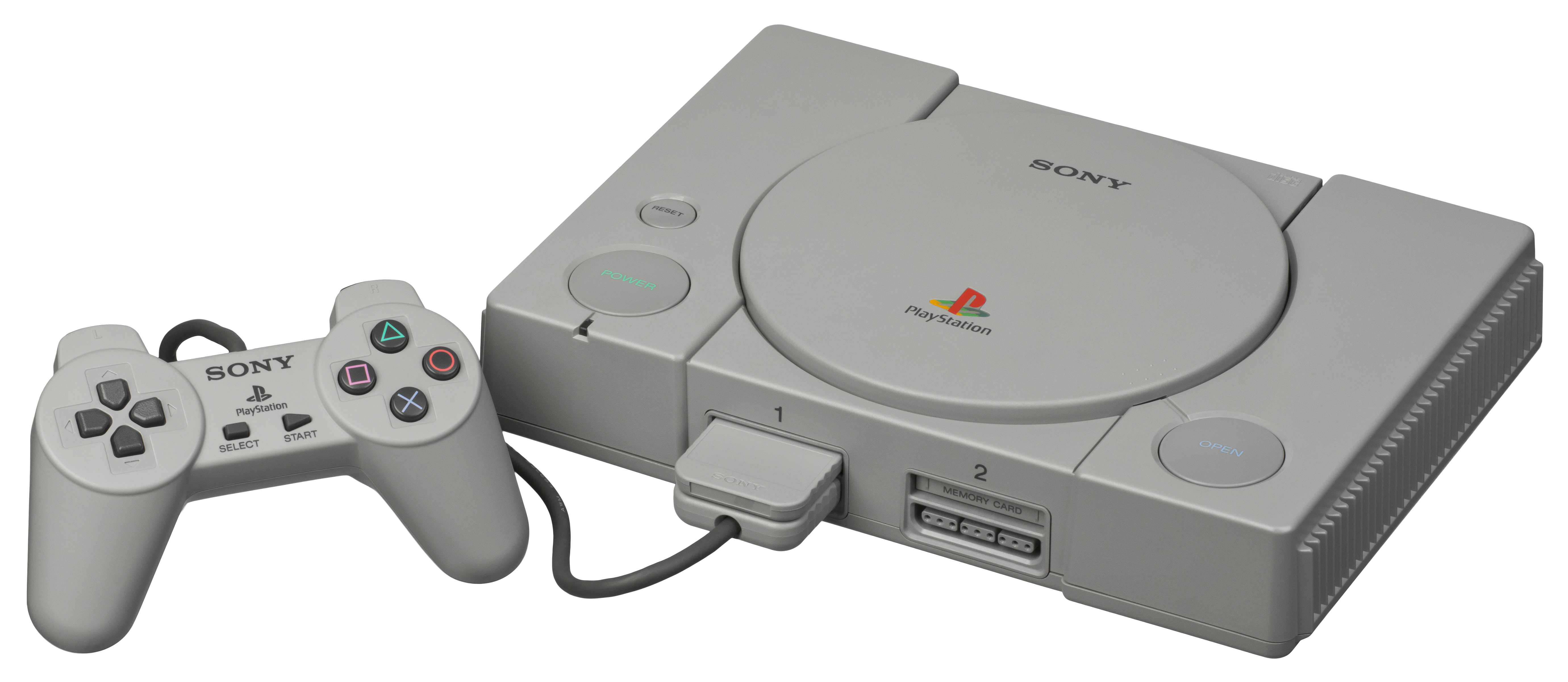

Planned collection, not confirmed inventory. Original hardware is preferred where practical; replicas or demonstrations will be labeled. Fragile pieces may be display-only. Chapter dates describe overlapping eras, not worldwide launch-date categories.
A CLOSER LOOK / FEATURED EXHIBITS
Original hardware. Unexpected controls. Stories made for hands-on discovery. All stations are proposed; availability will be confirmed event by event.
WITHIN OUR CORE TIMELINE / 1982
A screen of its own. Bright vector lines. A controller that feels like another era. Our proposed Vectrex station celebrates the original 1982 system, with its integrated monitor, screen overlays, and built-in Minestorm.
Help us locate original systems, controllers, game cartridges, overlays, manuals, and safe transport cases. Working and repairable offers are welcome for review.
History: Centre for Computing History. Planned station, not verified inventory.
WITHIN OUR CORE TIMELINE / 2001
The original Xbox launched in North America on November 15, 2001. Our proposed station celebrates its controllers, original game media and the shared experience of playing together—now firmly inside our museum timeline through 2005.
Help us find original consoles, controllers, appropriate cables, original games, manuals and protective transport cases. Hardware condition and game selection must be checked before any playable station is announced.
History: Xbox Wire. Planned station, not verified inventory.
CORE TIMELINE / ORIGINAL XBOX / 2002
Some games ask you to learn a controller. This one asks you to learn a cockpit. Capcom’s 2002 original Xbox game uses a dedicated 40-button controller, pedals, levers, and switches.
CORE TIMELINE · 2002. Steel Battalion and the original Xbox are part of our expanded story through 2005. This station is planned, not yet confirmed for play.
We are seeking complete controller assemblies, pedals, an original Xbox, original game media, manuals, cables, and protective cases. The proposed experience is a supervised, seated introduction with a clear reset and care routine.
History: Capcom’s 2002 release announcement. No manufacturer endorsement is claimed.
THE BIGGER COLLECTION PLAN
Dedicated TV-game systems, early cartridge machines, handhelds and uncommon regional models join the favorites. The starter plan includes 98 entries, now spanning the original Xbox and more early-2000s systems—not a claim of 98 owned machines or a complete global catalog.
ON THE ROAD / FROM ONE COMMUNITY TO THE NEXT
Not a tour that resets at every stop. A growing record of the people who played, the communities who hosted, and the volunteers who kept history running.
Acquire and restore the systems. Create playable displays. Pack each station with a clear setup guide and an inventory record.
A participating convention welcomes the exhibit with suitable space, power, local supervision, and a plan for safe operation.
Share approved visitor memories, record repairs, and add an entry to the exhibit’s travel journal. Its story grows with each host.
Check every item, photograph its condition, repack the cases, and coordinate the next funded, documented handoff.
A national mission, with each stop confirmed individually. Storage, freight, insurance, maintenance, and host responsibilities must be funded and agreed before a stop is scheduled. Only confirmed public stops will appear below.
THE KICKSTARTER PROJECT / CAMPAIGN IN DEVELOPMENT
We’re preparing a Kickstarter project to create the first TVGM exhibit: a documented collection of playable stations, durable displays, protective transport cases, and a tested convention-to-convention handoff.
Your support would help turn that plan into a real, shareable experience. Donations and partnerships would help sustain storage, repairs, and future travel after the initial build.
The campaign goal, delivery milestones, and any rewards will be published after the inventory, quotes, and scope are confirmed. Kickstarter review and approval are not yet confirmed.
These are funding priorities, not a finalized budget or a promise of a particular allocation.
Consoles, controllers, appropriate game media, replacement parts, testing, and repair work.
Durable play stations, clear historical labels, cable management, and accessible ways to take part.
Reusable protective cases, fitted interiors, item labels, and packing guides for repeated handoffs.
Space to keep the collection safe between events and room to inspect, repair, and prepare it.
Freight, loading arrangements, and coordinated movement from one approved host to the next.
Maintenance, spare equipment, cleaning supplies, insurance, and the records that keep the exhibit moving.
Free does not mean cost-free to operate. The plan is to fund those costs collectively—not turn them into a rental fee for the next convention. The launch budget must also account for platform and payment fees, any reward fulfillment, and contingency. No tax-deductibility claim is made.
THE BUILD PLAN / FROM IDEA TO FIRST HANDOFF
The proposed launch sequence. These are the steps ahead—not completed milestones or promised delivery dates.
01 / DEFINE
Confirm the operator, available collection, budget, permissions, and campaign scope.
02 / BUILD
Restore systems, assemble the stations, and create cases and operating guides.
03 / TEST
Run a pilot, test packing and transport, train host volunteers, and refine the handoff.
04 / SHARE
Begin a funded route and publish build updates, confirmed stops, and collection changes.
GET INVOLVED / THERE’S MORE THAN ONE WAY TO HELP
A forgotten console. A repair skill. A place to store the collection. An event ready to welcome it. This museum starts with a community.
Learn about the planned Kickstarter and the future donation options for keeping the exhibit free and on the move.
Offer classic consoles, controllers, game media, displays, cases, or parts. Items will need review before acceptance.
Explore hosting the exhibit or contribute restoration skills, storage, transport, or volunteer support.
Equipment offers and host requests require review. Please do not ship equipment before written acceptance. Expressing interest does not reserve a date or add you to an automated mailing list.
DONATE MACHINES / GIVE HISTORY A NEXT CHAPTER
A console in a closet can have a new chapter in a living museum. Tell us about your machines, games, controllers, manuals, display equipment, or shipping cases. We will review each offer for historical fit, condition, storage, and transport needs.
OFFER → REVIEW → AGREE → HAND OFF
Include the model, quantity, condition, accessories, approximate location and an optional photo-album link. Offers are kept in a private review inbox.
Please do not ship or drop off equipment before written acceptance. An offer is not an accepted donation, a pickup commitment, or a tax receipt. Shipping and transfer arrangements are agreed individually.
BEFORE WE HIT THE ROAD
A shared project should start with shared expectations. Here is what the plan means today.
That is the commitment: no exhibit rental fee for participating conventions and no additional charge for visitors to play. General convention admission may still apply. Donations, sponsorships, and in-kind support are intended to cover exhibit costs. A host stop will only be confirmed when its costs, logistics, and responsibilities are agreed; there is no mandatory donation or hidden shipping bill in this concept.
The exhibit is intended to pass from convention to convention. Its travel journal, approved visitor stories, maintenance records, and documented collection changes grow with the journey. The core historical scope remains gaming’s earliest roots through consoles introduced by the end of 2005.
Yes—hands-on play is central to the planned experience. Not every artifact can safely be operated: rare, fragile, or unrestored items may be display-only. Originals, replacements, and replicas will be clearly identified, and confirmed event inventory will state which systems are playable.
Conventions across the United States are welcome to express interest when inquiries are open. Selection will consider route efficiency, available funding, suitable indoor space, power, accessible circulation, local supervision, security, and readiness for a documented handoff. Expressing interest does not reserve a date or guarantee a stop.
A responsible operating organization and written collection policy must be confirmed before accepting donations or beginning the tour. Hosting will transfer temporary custody—not ownership. Asset records, donation or loan terms, condition checks, insurance, and host responsibilities will be documented.
Use a published Kickstarter link or a verified external donation link when one is available. This website does not process payments. Equipment offers can be sent through the inquiry form when it is open, but please do not ship equipment until written acceptance and delivery instructions are confirmed. No tax-deductibility claim is made.
Campaign details are announced only after they have been confirmed. Check the campaign status and published tour stops on this website. Submitting a host request does not reserve a date, and support does not guarantee that the exhibit will visit a particular event.
Yes. Our core story now extends from gaming’s earliest roots through December 31, 2005. The original Xbox and Steel Battalion are within that timeline, alongside the expanded early-2000s console and handheld collection. A system’s inclusion in the plan is not a claim of ownership or a guarantee it will be playable at every stop. Period-appropriate game selections and any clearly labeled exceptions will be confirmed separately.
TRAVELING VIDEO GAME MUSEUM · TVGM.org